
New steps toward AI regulation
It’s still AI season the world over, and in the Caribbean, Jamaica is drafting its first national AI policy, The Cayman Islands will roll out a draft in 2027, and Trinidad and Tobago is currently examining the findings of a national AI assessment.
At the same time, the Caribbean Telecommunications Union (CTU) last month published proposed model AI legislation, along with standards and frameworks to support AI regulation across the region at the inaugural Caribbean AI Forum in Port of Spain. The Caribbean AI Task Force Final Report was also launched at the meeting.
Privacy law enforcement next for Bermuda, Guyana, Jamaica
The government of Jamaica says full enforcement of the 2020 Data Protection Act is finally on the horizon. The Office of the Information Commissioner will also now be more resourced and staffed to focus on regulatory oversight and compliance.
Under the law, among the requirements for companies processing personal data are registration with the OIC and the appointment of a Data Protection Officer. Corporate entities and individuals may be fined up to 4% of annual gross worldwide profits and 5 million Jamaican dollars respectively for offences under the Act.
North of Jamaica, Bermuda too, is entering the enforcement stage of its Personal Information Protection Act (PIPA). Gretchen Tucker has become the first woman and first Bermudian to hold the post of privacy commissioner.

PIPA was first passed in 2016 but did not come into force until 2025. The first Privacy Commissioner was appointed in 2020 but vacated the post last year. Now, the Commissioner in its 2025-2026 annual report has indicated that one of its immediate priorities is to develop and establish an informed strategic regulatory enforcement strategy.
In Guyana, Aneal Giddings was appointed Data Protection Commissioner at the start of the year, and the government has stated that this is a key step in bringing the 2023 Data Protection Act fully into force.

e-IDs and passport-free travel between Guyana and Barbados
The Guyanese government is aiming to 200, 000 of its close to 1 million citizens enrolled in a new e-ID system by the end of 2026. Up to May, 21,000 people had enrolled. The e-ID system is made possible under Guyana’s Digital Identity Card Act.
The e-ID system assigns citizens a single digital identifier supported by biometric verification, with services already being introduced through regional registration offices. The new system is intended to improve access to public services and strengthen digital infrastructure. The government has also stated that more advanced data collection will be guided by the full activation of the Data Protection Act to ensure stronger privacy safeguards.
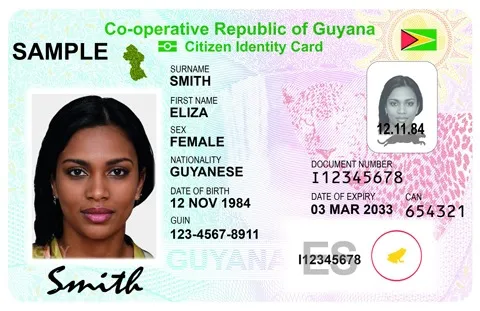
Meanwhile, Guyana and Barbados have announced a bilateral arrangement allowing approved travellers to move between the two countries using only their national electronic identity cards, eliminating the need to present passports. The arrangement became effective on 1 July 2026 and represents one of the Caribbean’s first practical implementations of cross-border digital identity interoperability.
Guyana opens public consultation on social media’s impact on children
Guyana’s Department of Public Information convened public consultations on the impact of social media on children, examining minimum age requirements, parental consent mechanisms and platform-level safety obligations.
Businesses need to prepare
With new regulations being introduced and privacy laws coming into force, organisations in the Caribbean should inform themselves of their obligations and be prepared to meet them.
Schedule a consultation with Bloomfield to get started.